NG-25 Cygnus XL Launch: Jim Lovell Cargo Ship Heads to ISS Nov 29
Northrop Grumman's NG-25 Cygnus XL, named for Apollo 13's Jim Lovell, launches 29 November with 11,000 pounds of cargo for the space station.
Key points
- NASA's Northrop Grumman CRS-25 mission is scheduled to launch at 10:47 a.m. EST (15:47 UTC) on Sunday, 29 November 2026, on a SpaceX Falcon 9 from Cape Canaveral, Florida.
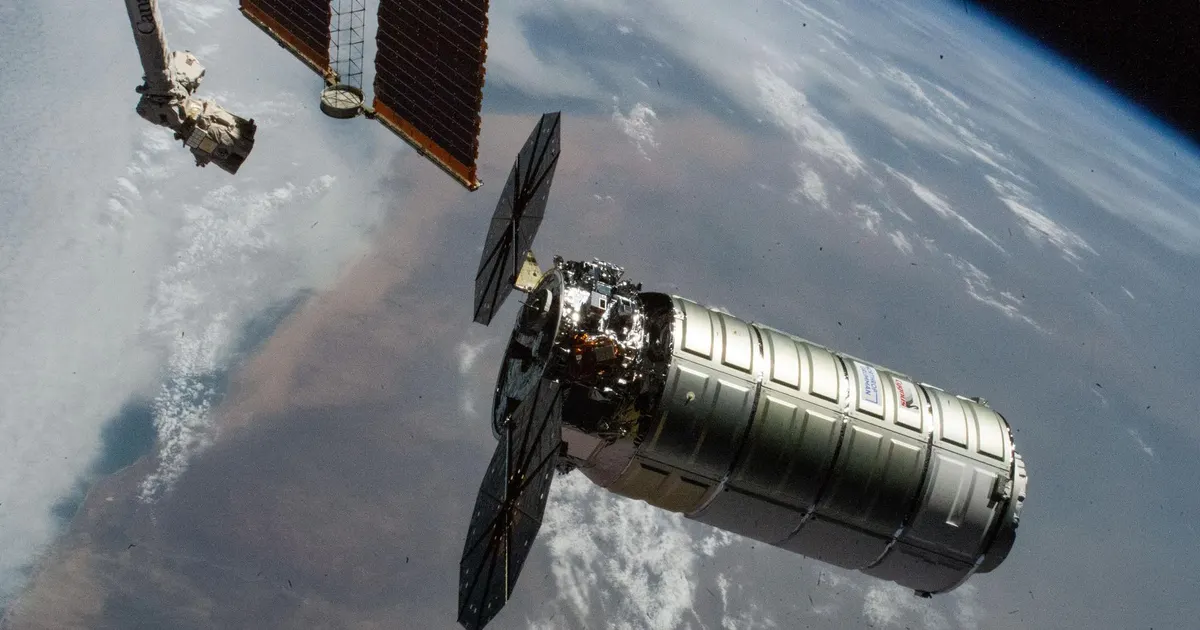
- The Cygnus XL spacecraft carries about 11,000 pounds of science and supplies and is named in honour of Apollo 13 commander James 'Jim' A. Lovell Jr.
- NASA astronauts Jessica Watkins and Luke Delaney are due to capture the spacecraft with the Canadarm2 robotic arm on Tuesday, 1 December.
- Experiments on board include a plant growth chamber called OHALO III, a muscle-loss drug study, cancer research on a biochip and a Lockheed Martin in-space welding demonstration.
- Forecasters gave a 60% chance of favourable weather for launch, with a backup opportunity on Monday, 30 November.
Northrop Grumman’s NG-25 Cygnus XL cargo spacecraft is scheduled to launch to the International Space Station at 10:47 a.m. EST (15:47 UTC) on Sunday, 29 November 2026, aboard a SpaceX Falcon 9 rocket from Cape Canaveral, Florida. The uncrewed ship, named in honour of Apollo 13 commander Jim Lovell, carries about 11,000 pounds of science and supplies. NASA says it will reach the station on Tuesday, 1 December.
What is NG-25?
The flight is officially called NASA’s Northrop Grumman Commercial Resupply Services 25, or CRS-25. It is one of the regular cargo runs that keep the space station supplied under NASA’s commercial resupply contracts.
Key launch details from NASA:
- Rocket: SpaceX Falcon 9
- Launch site: Space Launch Complex 40, Cape Canaveral Space Force Station, Florida
- Launch time: 10:47 a.m. EST (15:47 UTC), Sunday 29 November, with a backup on Monday 30 November
- Cargo: about 11,000 pounds
- Weather: a 60% chance of favourable conditions, with thick clouds the main concern
NASA’s mission overview says this is the third flight of the Cygnus XL, a larger version of the Cygnus spacecraft. The previous mission, CRS-24, launched in April 2026. Launch tracker Orbital Radar lists NG-25 as the 25th Cygnus flight overall.
Why is it named after Jim Lovell?
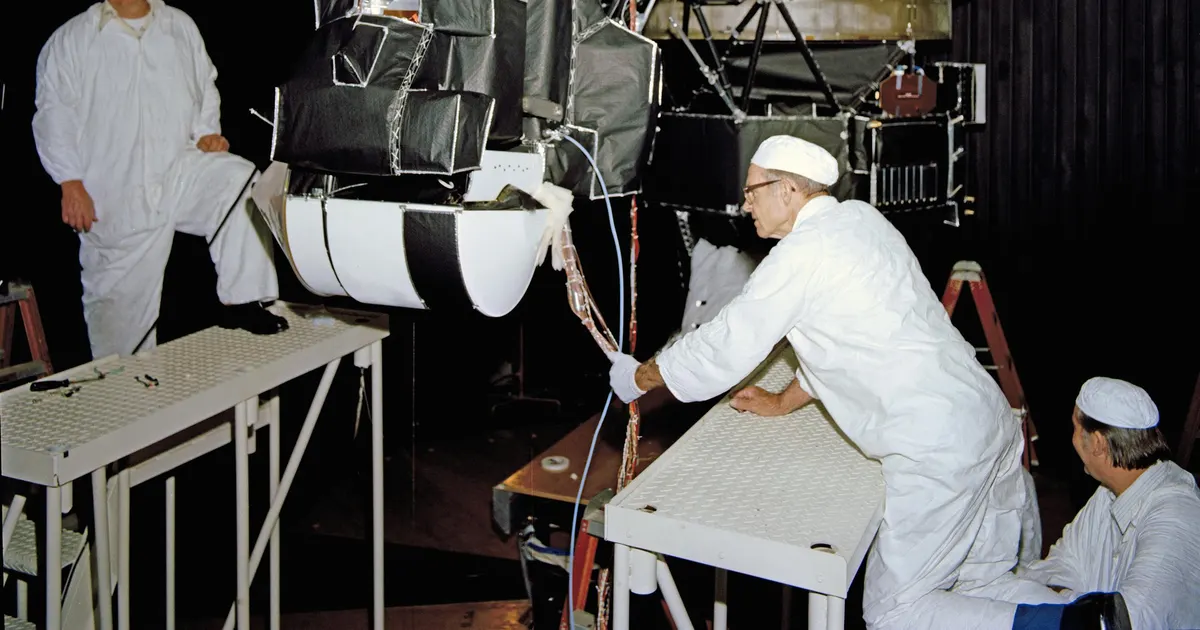
Each Cygnus spacecraft carries the name of a notable person. NASA says this one is named in honour of astronaut James “Jim” A. Lovell Jr., who flew four missions: Gemini VII, Gemini XII, Apollo 8 and Apollo 13. Lovell was one of the first people to orbit the Moon on Apollo 8 and commanded Apollo 13, which returned safely to Earth after an explosion damaged the spacecraft on the way to the Moon.
What science is on board?
NASA lists several research projects on the flight:
- OHALO III: a plant growth chamber from Utah State University with automatic water recovery and air exchange. It will test how to deliver water to plants and make the best use of space, for future crop growing on the Moon and Mars. NASA’s science team notes that “Astronauts will need sustainable sources of food.”
- Cardinal Muscle 2.0: tests existing FDA-approved drugs on engineered human muscle tissue to see whether they could prevent muscle loss, a problem for both astronauts and older people on Earth.
- DNA Nano B: a University of Connecticut study that uses microgravity to make tiny DNA-inspired particles that could carry medicine into cartilage and solid tumours.
- ENCAPSULATE-1: grows miniature copies of colorectal tumours on a biochip to study how cancer spreads, with the aim of better predicting how the disease will progress.
- ARES: a small radiation sensor to be tested for future Artemis Moon missions.
- JOINS: a Lockheed Martin demonstration of robotic laser and friction-stir welding, to show how large structures could be built or repaired in space.
NASA’s science page also describes a brain-tissue study that builds on earlier flights of lab-grown human brain models, testing a miniature fluid system to keep the tissue alive.
The ship also carries supplies for the crew, including blankets for crew quarters, hatch seal covers, a modified hose for the station toilet, tools for future spacewalks on the Alpha Magnetic Spectrometer and batteries for a gas analyser.
What happens next?
If Cygnus launches on time, NASA astronauts Jessica Watkins and Luke Delaney will use the station’s Canadarm2 robotic arm to capture it, with capture planned for about 2:35 a.m. EST on Tuesday, 1 December. Ground controllers will then install it on the Earth-facing port of the Unity module.
Cygnus is expected to stay at the station until May 2027. It will then depart carrying several thousand pounds of items the crew no longer needs, NASA says.
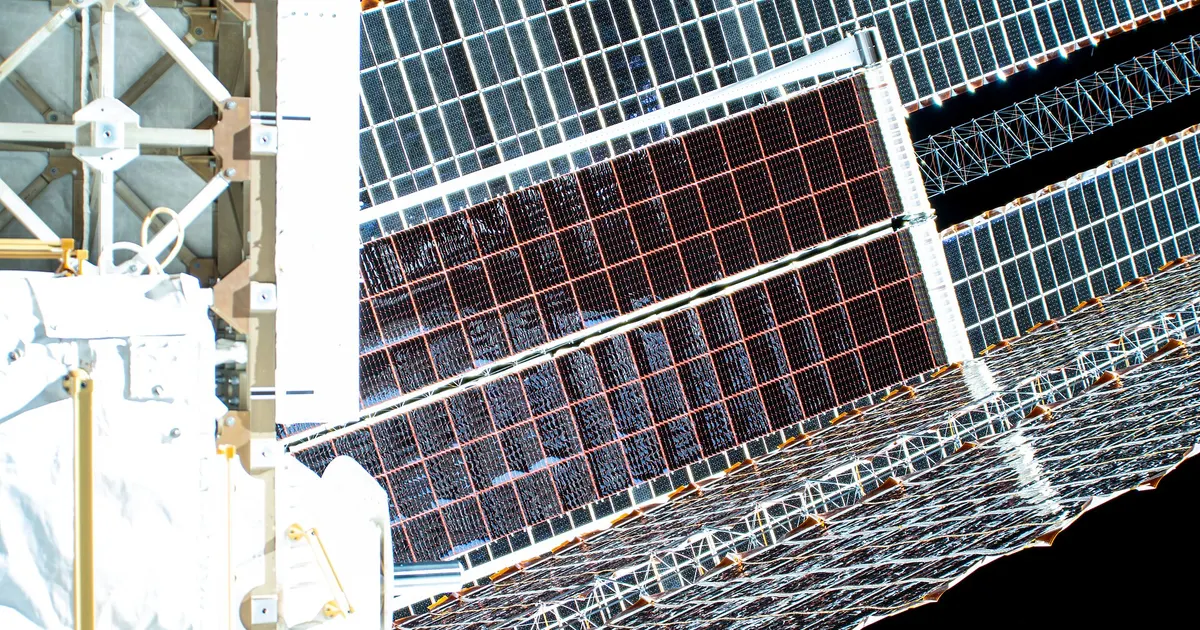
NASA will stream the launch and arrival. For other recent station news, see PFM Today’s report on the final solar array upgrade spacewalk.
Frequently asked questions
When does NG-25 launch?+
NG-25 is scheduled to launch at 10:47 a.m. EST (15:47 UTC) on Sunday, 29 November 2026, from Space Launch Complex 40 at Cape Canaveral Space Force Station in Florida. The next opportunity is on Monday, 30 November.
Why is the NG-25 Cygnus named after Jim Lovell?+
Northrop Grumman names each Cygnus after a notable figure. NASA says this spacecraft honours James 'Jim' A. Lovell Jr., who flew on Gemini VII, Gemini XII, Apollo 8 and Apollo 13.
What is NG-25 carrying to the space station?+
About 11,000 pounds of science and supplies, including the OHALO III plant growth chamber, the Cardinal Muscle 2.0 and ENCAPSULATE-1 medical studies, the ARES radiation sensor, and crew supplies such as hatch seal covers and spacewalk tools.
Sources
- NASA – NASA, partners' preps on track for Sunday space station cargo launch (Nov 27, 2026)
- NASA – NASA sets coverage for Northrop Grumman CRS-25 launch, prelaunch (Nov 18, 2026)
- NASA – NASA's Northrop Grumman CRS-25 mission overview (Nov 24, 2026)
- NASA Science – NASA's NG-25 mission to launch pioneering space crops research (Nov 2026)
- Orbital Radar – Falcon 9 | Cygnus CRS-2 NG-25
- Cygnus XL
- Northrop Grumman
- International Space Station
- SpaceX Falcon 9
- NASA

PFM Today Newsroom · News Desk
The PFM Today Newsroom tracks developments across startups, AI, design, business and more. Stories are researched from primary sources and reputable outlets, written with AI assistance, and reviewed against our editorial policy before publishing. Read our editorial policy.