Pakistan Auto Policy 2026-31: $6bn Export Goal, Cheaper EVs, 20% Cap
Pakistan's new Auto Policy 2026-31 sets a $6bn export target, caps booking advances at 20% and funds EV incentives with a levy. Here is what changes.
Key points
- Prime Minister Shehbaz Sharif approved the final draft of Pakistan's Auto Policy 2026-31 after the IMF agreed to it, and the policy now goes to the federal cabinet.
- The policy sets a cumulative target of $6 billion in automotive exports over five years, backed by a 5% duty drawback and an extra 10% incentive on annual export growth.
- Carmakers will not be allowed to demand more than 20% of a vehicle's price as an advance payment at booking, a step aimed at curbing on-money.
- An Automotive Development Levy on petrol and diesel vehicles above 1,000cc will fund electric vehicle and export incentives, while smaller cars are exempt.
- Proposed sales tax rates are 1% for battery EVs, 6% for range-extended EVs and 9% for hybrids, with the State Bank's car financing limit for EVs raised to Rs10 million.
Pakistan has unveiled its Auto Policy 2026-31, a five-year plan that aims to make cars cheaper, push carmakers to export and speed up the switch to electric vehicles. Haroon Akhtar Khan, Adviser to the Prime Minister on Industries and Production, and Information Minister Attaullah Tarar presented the policy in Islamabad on Saturday, 7 November 2026, after Prime Minister Shehbaz Sharif approved its final draft. The policy replaces the previous auto framework, which expired on 30 June 2026.
What happened?
According to Dawn, the Ministry of Industries and Production sent the draft to the International Monetary Fund team on Thursday, 5 November, and the prime minister signed off once the IMF agreed to it. The policy now goes to the federal cabinet for formal approval. Daily Pakistan reports that the full policy document, with the detailed tax and financing arrangements, is expected to be released this week.
Officials described six pillars: more affordable vehicles, especially for middle and lower-middle income buyers; exports; localisation of parts; vehicle safety; electric vehicles; and transparency in the industry.
What are the key measures in the Auto Policy 2026-31?
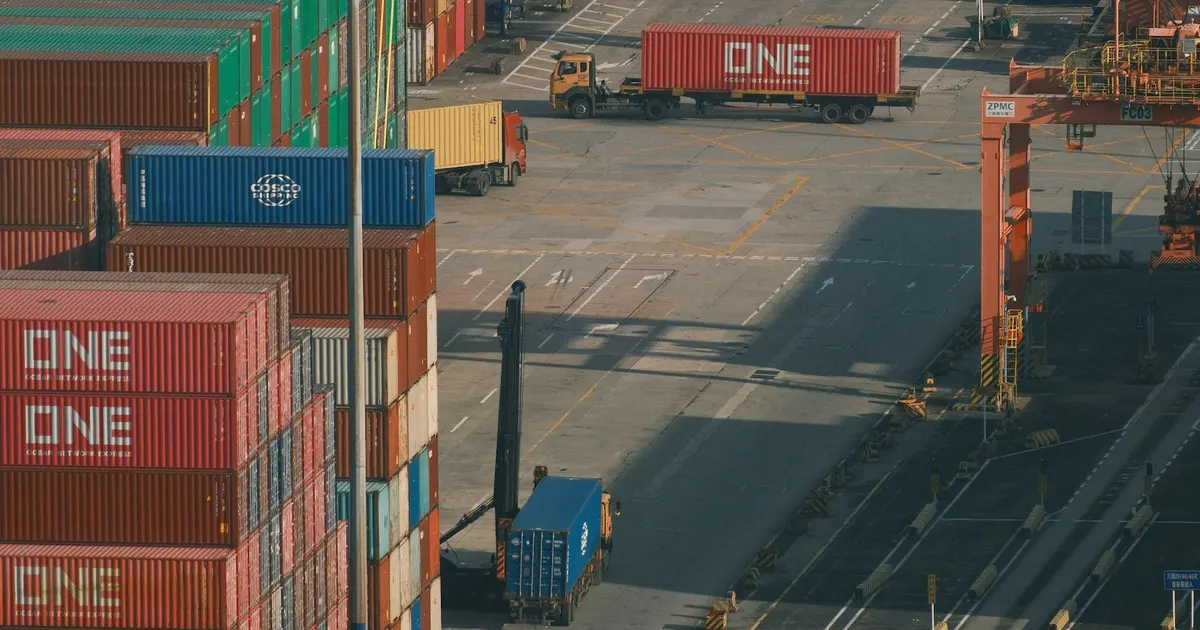
Exports. The policy sets a cumulative target of $6 billion in automotive exports over five years. Manufacturers that export will receive a 5% Duty Drawback of Local Taxes and Levies (DLTL), plus an additional 10% incentive on their incremental annual export growth. The benefits only apply to companies that meet both their export and local manufacturing targets, and penalties apply to those that miss them.
Booking advances. Carmakers will not be allowed to take more than 20% of a vehicle’s price as an advance at booking. The measure is aimed at “on-money”, the premium buyers often pay to get a car delivered sooner.
Tariffs and prices. Duties on fully built imported cars, assembly kits and components will be cut every year until they reach competitive levels after five years. Khan said prices should fall gradually, except for luxury vehicles.
Automotive Development Levy. A new levy on petrol and diesel vehicles above 1,000cc will fund the EV and export incentives. Cars of 1,000cc or less are exempt. Khan said the levy is designed to be revenue-neutral and that the IMF accepted that incentives and sales tax relief would be paid for through it.
Localisation and safety. Local content targets become mandatory for each manufacturer. Dawn reports that 45 additional safety standards aligned with the UN’s WP.29 vehicle regulations framework will be introduced. Khan pointed to safety concerns over brakes, tyres and seat belts, particularly in imported used cars.
How will the policy promote electric vehicles?
The policy keeps the national goal of making 30% of new vehicles electric by 2030, a target set under the National Electric Vehicle Policy 2025-30. Proposed incentives include:
- Sales tax of 1% on battery electric vehicles, 6% on range-extended EVs and 9% on plug-in hybrids. Dawn’s initial report said these rates were subject to IMF approval.
- No capital value tax, withholding tax or federal excise duty on EVs priced up to $50,000. More expensive EVs will be taxed as luxury items.
- The State Bank of Pakistan’s car financing limit for EVs rising from Rs3 million to Rs10 million, with the repayment period extended from three to five years.
- Sales tax on charging equipment cut to 1%, customs duty on it removed, and government viability-gap funding for charging stations.
Officials said electric two-wheeler sales jumped from 60,000 units in FY2024-25 to 240,000 in FY2025-26. Tarar called EV adoption a “need of the time”.
Why does it matter?
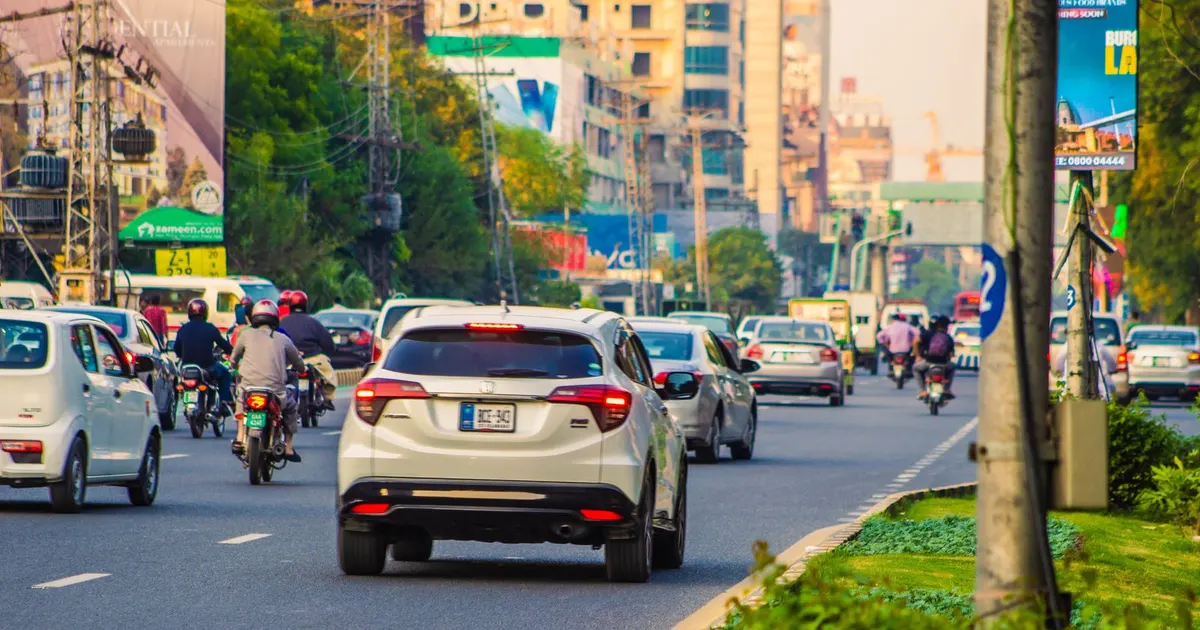
Pakistan’s car market has long been criticised for high prices, long delivery times and heavy reliance on imported kits. Khan said current auto exports are small and mostly made up of parts, and that earlier policies failed to grow them. He rejected claims of a monopoly, noting that the country now has 16 car and SUV makers and 100 two-wheeler manufacturers.
The export push also matters for the wider economy. Pakistan’s trade gap is widening, with imports far outpacing exports in the first four months of FY2026-27, as PFM Today reported in its coverage of the October 2026 trade deficit. Cutting fuel imports is another goal: Khan said promoting EVs is a priority to reduce the country’s dependence on imported oil.
What happens next?
The draft must still be approved by the federal cabinet before its measures take effect. Manufacturers will be watching for the full document, which should set out each company’s localisation and export targets, the levy rates and the size of the penalties. Those details, not yet published, will decide how quickly buyers see lower prices on the forecourt.
Frequently asked questions
Will car prices fall in Pakistan under the new auto policy?+
The government says prices should come down gradually as duties on imported vehicles, kits and parts are cut each year over five years. Haroon Akhtar Khan, the prime minister's adviser on industries, said luxury vehicles are the exception. No specific price cuts have been announced.
What is the Automotive Development Levy in Pakistan?+
It is a new levy on internal combustion engine vehicles above 1,000cc. The money will pay for electric vehicle incentives and export incentives, and the government describes the mechanism as revenue-neutral. Vehicles of 1,000cc or less are exempt.
How much advance can a car company take at booking in Pakistan?+
Under the Auto Policy 2026-31, manufacturers cannot ask for more than 20% of a vehicle's total price as an advance payment at the time of booking. The rule targets long waits and premium on-money charges.
Sources
- Dawn – Auto policy sets $6bn export target over five years
- Dawn – Govt announces auto policy with focus on cheaper vehicles, EVs
- PakWheels – New Auto Policy Sets $6 Billion Export Target Over Five Years
- Daily Pakistan – Pakistan's Auto Policy 2026–31 approved with big tax relief, push for cheaper cars
- The News – PM gives in-principle approval to Auto Policy 2026-31
- Auto Policy 2026-31
- Pakistan auto industry
- Electric vehicles
- Exports
- Pakistan economy
PFM Today Newsroom · News Desk
The PFM Today Newsroom tracks developments across startups, AI, design, business and more. Stories are researched from primary sources and reputable outlets, written with AI assistance, and reviewed against our editorial policy before publishing. Read our editorial policy.