Nvidia Q3 Earnings: Revenue Doubles to $115.8B as Vera Rubin Ships
Nvidia Q3 fiscal 2027 revenue rose 103% to $115.8 billion as Vera Rubin began shipping. It expects $130 billion next quarter, its first report since Huang left.
Key points
- Nvidia reported revenue of $115.8 billion for the third quarter of fiscal 2027, ended October 25, 2026, up 103% from a year earlier and 20% from the previous quarter.
- Data Center revenue was $107.6 billion, up 110% year on year, making up roughly 93% of Nvidia's sales.
- GAAP net income rose 105% to $65.3 billion, or $2.70 per diluted share, and GAAP gross margin was 74.8%.
- Nvidia guided fourth-quarter revenue to $130 billion, plus or minus 3%, assuming no data centre compute revenue from China.
- It was Nvidia's first earnings report since Jensen Huang resigned on November 12; CFO Colette Kress presented the results as interim CEO.
Nvidia’s revenue more than doubled to a record $115.8 billion in the third quarter of its 2027 fiscal year, the chipmaker reported on Tuesday, November 17, 2026. Demand for its AI data centre systems drove the jump, and its new Vera Rubin platform began shipping. These were Nvidia’s first results since Jensen Huang resigned as CEO five days earlier, and interim CEO Colette Kress forecast another rise, to about $130 billion, next quarter.
What happened?
For the quarter that ended on October 25, 2026, Nvidia’s revenue rose 103% from $57.0 billion a year earlier and 20% from $96.2 billion in the second quarter. GAAP net income rose 105% from a year earlier to $65.3 billion, or $2.70 per diluted share, compared with $1.30 a year ago.
On a non-GAAP basis, earnings were $2.68 per diluted share. Nvidia said its non-GAAP figures now include stock-based compensation, and it restated earlier periods to match.
Gross margin stayed high: 74.8% on a GAAP basis and 74.9% non-GAAP, slightly below the 75.0% of the previous quarter but above the 73.4% of a year earlier.
Key numbers from Nvidia’s Q3 earnings
| Metric | Q3 FY2027 | Change |
|---|---|---|
| Revenue | $115.8 billion | +103% year on year, +20% quarter on quarter |
| Data Center revenue | $107.6 billion | +110% year on year, +21% quarter on quarter |
| Edge Computing revenue | $8.2 billion | +42% year on year, +14% quarter on quarter |
| GAAP gross margin | 74.8% | up from 73.4% a year earlier |
| GAAP net income | $65.3 billion | +105% year on year |
| GAAP diluted EPS | $2.70 | up from $1.30 |
Nvidia now reports two main markets. Data Center covers its AI computing and networking systems and made up about 93% of revenue. Edge Computing, which Credence Research says includes PCs, gaming, automotive and robotics, brought in $8.2 billion.
The Next Platform reported that Kress told analysts networking revenue was more than $21 billion in the quarter.
How is Vera Rubin doing?
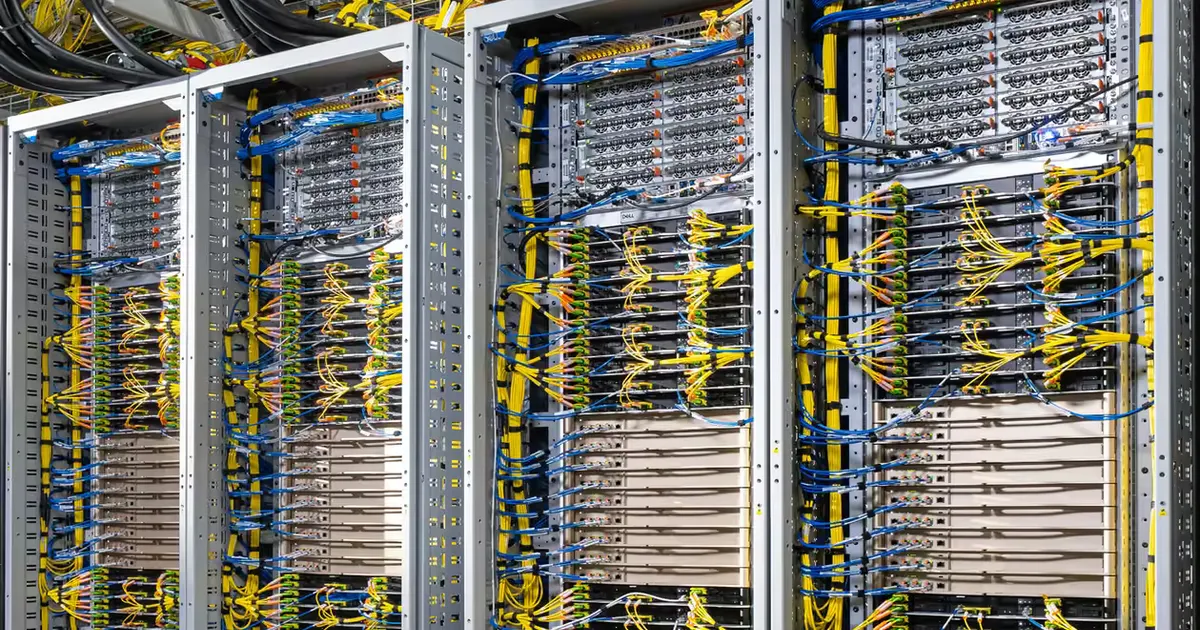
Nvidia said it ramped production and began shipping Vera Rubin NVL72, the rack-scale successor to its Blackwell systems. According to the release, Vera Rubin racks are already running at CoreWeave, Google Cloud, Microsoft Azure, Oracle Cloud Infrastructure and Nebius.
Kress said in the statement that “Vera Rubin is off to an explosive start”. Earlier this week, PFM Today covered how Vera Rubin systems doubled Blackwell Ultra’s performance in MLPerf Training.
What is Nvidia’s outlook?
For the fourth quarter of fiscal 2027, Nvidia expects:
- Revenue of $130.0 billion, plus or minus 3%. The quarter has an extra week.
- Gross margins of 71.0% to 72.0%, lower than this quarter.
- No data centre compute revenue from China in the forecast.
The Next Platform reported that Kress also told analysts Nvidia expects revenue in fiscal 2028 to grow about 75% from fiscal 2027, and that she put the cloud industry’s order backlog at about $2.5 trillion, up from $2 trillion three months earlier.
Returning cash to shareholders
Nvidia returned $28.1 billion to shareholders in the quarter through buybacks and dividends. Its board approved an extra $150 billion of buybacks in September, and about $227.3 billion of authorisation remained at the end of the quarter. The next quarterly dividend of $0.25 a share is payable on December 23, 2026, to shareholders on record on December 2.
Why it matters
The results were the first test of Nvidia without Huang, its co-founder, who resigned as president, CEO and director on November 12. The board said it does not plan to reinstate him and has hired the search firm Heidrick & Struggles to find a permanent chief executive. Kress, who remains CFO, is running the company in the meantime. Read our earlier report on Jensen Huang’s resignation and Kress’s appointment.
“Our momentum is real,” Kress said in the release. With revenue still rising by more than $19 billion a quarter, the numbers suggest that cloud providers’ demand for AI chips has not slowed because of the leadership change.
What happens next?
Investors will watch whether Nvidia hits its $130 billion target and how fast Vera Rubin shipments grow, as well as when the board names a permanent CEO. The China outlook also remains a question: Nvidia’s forecast assumes no data centre compute sales there, so any change in US export rules could move the numbers either way.
Frequently asked questions
How much revenue did Nvidia make in Q3 fiscal 2027?+
Nvidia reported $115.8 billion in revenue for the quarter ended October 25, 2026, up 103% from $57.0 billion a year earlier. It announced the results on November 17, 2026.
What is Nvidia's guidance for Q4 fiscal 2027?+
Nvidia expects about $130 billion in revenue, plus or minus 3%, with gross margins of 71% to 72%. The quarter includes an extra week, and the forecast assumes no data centre compute sales to China.
Who is running Nvidia now?+
Colette Kress, Nvidia's chief financial officer, is interim CEO after Jensen Huang resigned as president, CEO and board member on November 12, 2026. The board has hired Heidrick & Struggles to search for a permanent CEO.
Sources
- Nvidia
- Earnings
- Vera Rubin
- AI chips
- Colette Kress

PFM Today Newsroom · News Desk
The PFM Today Newsroom tracks developments across startups, AI, design, business and more. Stories are researched from primary sources and reputable outlets, written with AI assistance, and reviewed against our editorial policy before publishing. Read our editorial policy.