
The entertainment industry rarely witnesses a movie that changes how films are made. Yet The Odyssey has become exactly that. Even before its release, the film has generated enormous excitement across Hollywood, social media, and among cinema enthusiasts worldwide.
One of the biggest reasons behind this hype is a historic achievement:
It is the first major feature film to be shot entirely using IMAX cameras.
But why does that matter?
Is it just another marketing strategy, or is it truly a technological milestone?
Let’s explore everything you need to know.
What Is The Odyssey?
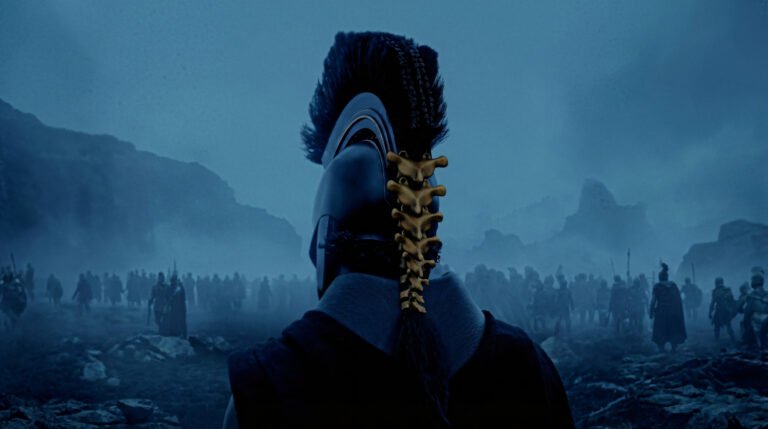
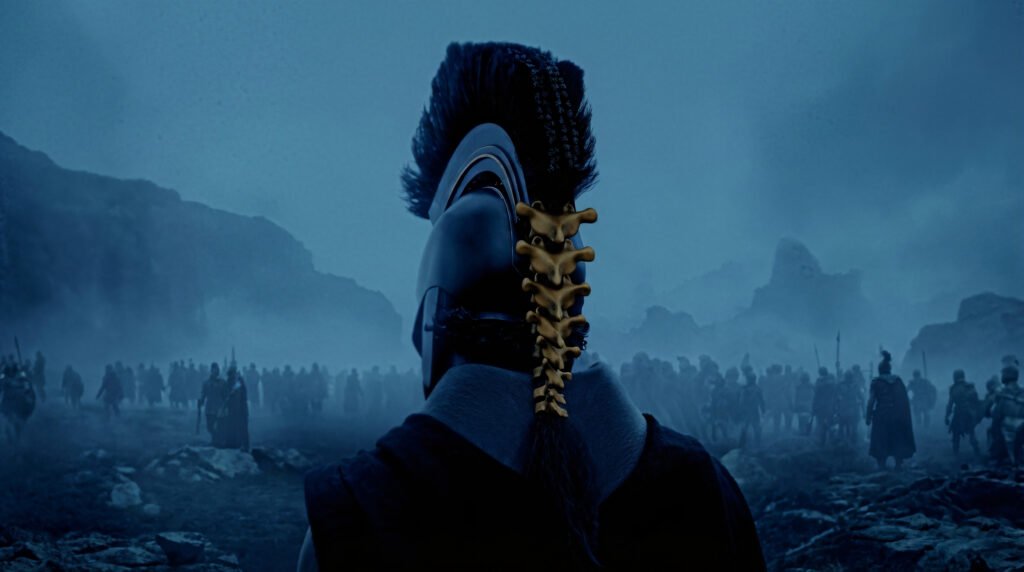
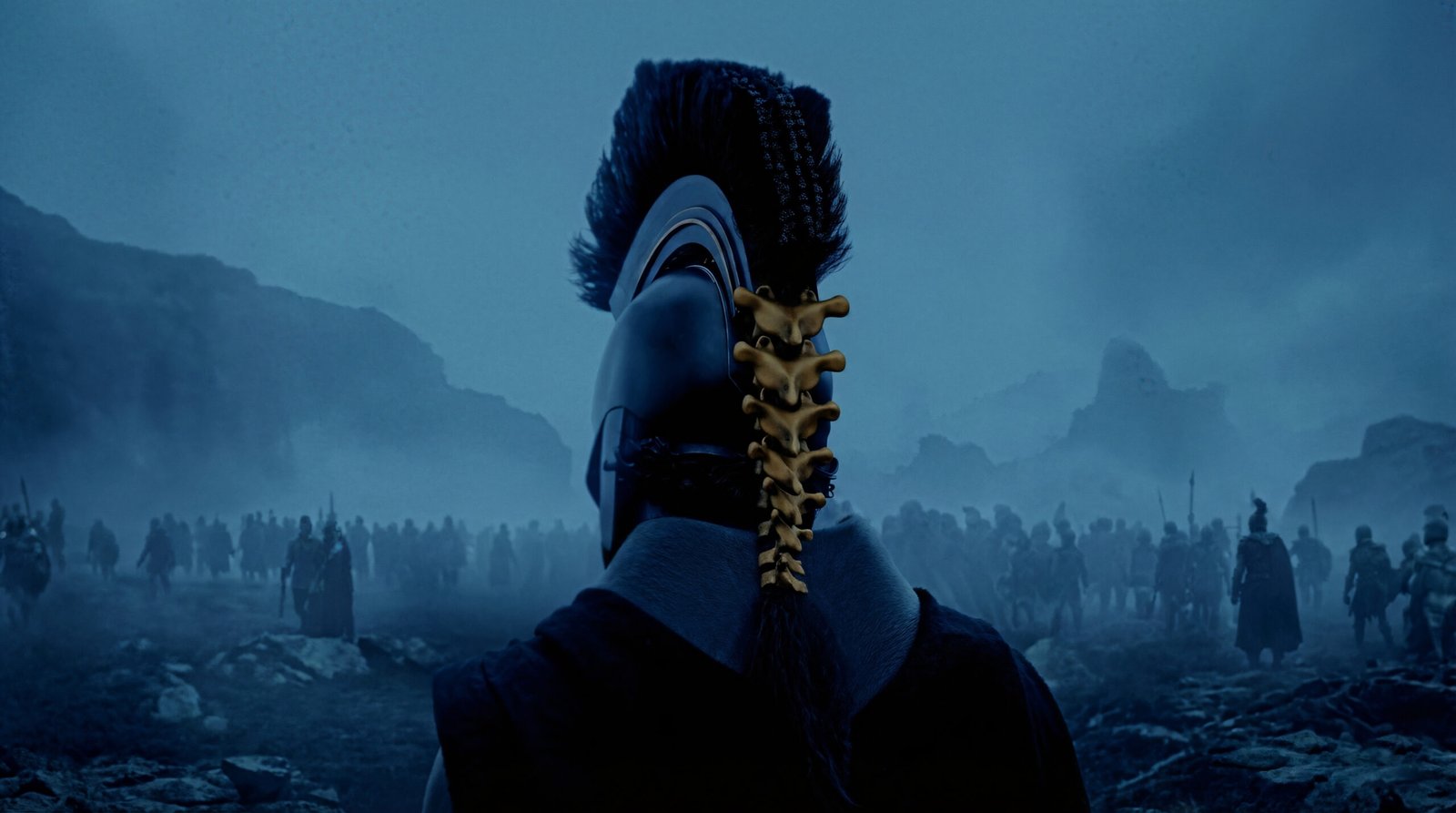
The Odyssey is an epic adaptation of the ancient Greek poem written by Homer nearly 3,000 years ago.
The story follows the legendary Greek king Odysseus, who struggles for years to return home after the Trojan War. Along the journey, he encounters mythical creatures, dangerous seas, powerful gods, and impossible challenges.
The tale has inspired literature, television, and cinema for centuries, but this adaptation aims to bring the ancient epic to life on an unprecedented cinematic scale.
Why Is Everyone Talking About It?
Several factors have turned The Odyssey into one of the most anticipated films in recent years.
1. It Is Directed by Christopher Nolan
Christopher Nolan is known for pushing filmmaking technology to new limits.
His previous blockbusters include:
- The Dark Knight
- Inception
- Interstellar
- Dunkirk
- Tenet
- Oppenheimer
Nolan has always preferred practical effects, real locations, and large-format film instead of relying heavily on CGI.
With The Odyssey, he has taken this philosophy even further.
The Biggest Reason: Filmed Completely with IMAX Cameras
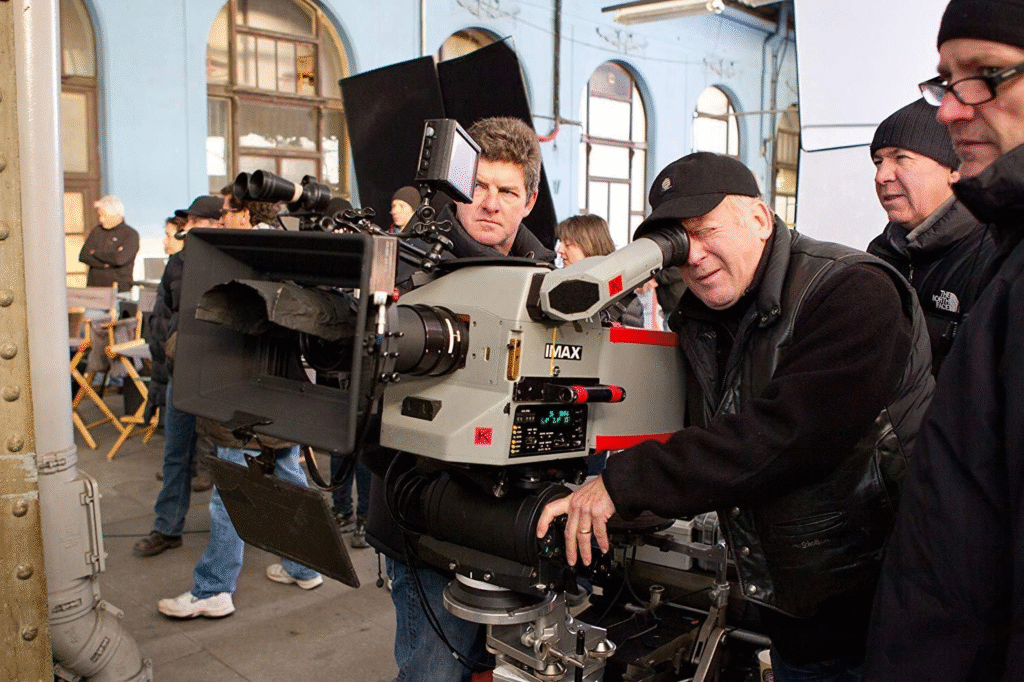
This is where history is being made.
Traditionally, movies only use IMAX cameras for selected scenes because the cameras are:
- Extremely large
- Very heavy
- Loud
- Expensive
- Difficult to operate
Even Nolan’s previous movies used IMAX for only certain sequences.
| Movie | Approximate IMAX Footage |
|---|---|
| The Dark Knight | Around 30 minutes |
| Interstellar | Selected scenes |
| Dunkirk | Majority, but not all |
| Oppenheimer | Large portions |
With The Odyssey, every single scene is reportedly being captured using specially developed IMAX film cameras, marking the first time a feature film has been produced entirely in this format. This required IMAX to develop quieter, lighter, and more production-friendly camera technology in collaboration with Nolan.
What Exactly Is IMAX?
IMAX is not simply a larger movie screen.
It is an entire filmmaking and projection system designed to deliver:
- Much higher resolution
- Sharper image quality
- Greater brightness
- Enhanced color accuracy
- Immersive sound
- Taller aspect ratio
- Greater visual detail
A standard movie may fill only part of your screen.
An IMAX presentation often fills much more of your field of view, making you feel as though you’re inside the scene.
IMAX vs Standard Cinema
| Standard Cinema | IMAX |
|---|---|
| Smaller screen | Giant screen |
| Standard resolution | Extremely high resolution |
| Normal surround sound | Precision immersive sound |
| Cropped image | Expanded vertical image |
| Standard projection | Specialized IMAX projection |
This difference becomes especially noticeable during action scenes, sweeping landscapes, and large-scale visuals.
Why Filming Entirely in IMAX Is So Difficult
There are several technical reasons why most filmmakers avoid shooting an entire movie with IMAX cameras.
Massive Camera Size
Traditional IMAX cameras can weigh over 40 kilograms once fully equipped.
They require large crews and specialized rigs.
Extremely Loud Cameras
Older IMAX cameras generated significant mechanical noise.
Dialogue scenes often became difficult because microphones could pick up the camera sound.
Huge Film Stock
Unlike digital cameras, IMAX film uses enormous 70mm film stock.
Each minute of footage consumes large amounts of film, making production extremely expensive.
Complex Lighting Requirements
IMAX cameras reveal every detail.
That means filmmakers must pay extraordinary attention to:
- Lighting
- Makeup
- Costumes
- Set design
- Visual effects
Everything must be nearly perfect.
Why Nolan Loves IMAX
Christopher Nolan believes cinema should feel larger than life.
Rather than depending heavily on computer-generated imagery, he prefers:
- Real explosions
- Real aircraft
- Real locations
- Practical effects
- Film photography
According to Nolan, audiences experience a stronger emotional connection when scenes are captured physically rather than created entirely with CGI.
A Star-Studded Cast


The cast includes several of Hollywood’s biggest names, including:
- Matt Damon
- Tom Holland
- Zendaya
- Anne Hathaway
The combination of Nolan’s direction and a high-profile cast has fueled anticipation even further.
Why Social Media Is Exploding
The movie has become a trending topic because of several unique factors:
- First blockbuster filmed entirely with IMAX cameras
- Christopher Nolan’s reputation
- Massive production budget
- Epic Greek mythology story
- Practical filmmaking techniques
- Limited behind-the-scenes reveals that have increased curiosity
Every production update quickly spreads across platforms like X, Reddit, Instagram, and YouTube.
Will It Change Hollywood?
Many industry experts believe The Odyssey could influence future blockbuster filmmaking.
If the movie succeeds both critically and commercially, more directors may embrace large-format filmmaking, encouraging studios to invest further in advanced cameras and premium theatrical experiences.
However, because IMAX productions remain significantly more expensive than conventional filmmaking, this approach is likely to remain reserved for ambitious, high-budget projects.
Should You Watch It in IMAX?
Absolutely.
Watching The Odyssey in a standard theater would still be enjoyable, but it would not fully showcase the film’s visual ambition.
An IMAX theater allows audiences to experience:
- The full image composition
- Greater detail
- Enhanced sound
- The intended aspect ratio
- Maximum cinematic immersion
For a film created specifically around IMAX technology, the format is a key part of the experience.