Pakistan Plans 100% Digital Payments as Raast Replaces Govt Cheques
Pakistan has ordered a roadmap for 100% digital payments. Cheques from Asaan Assignment Accounts end on 15 November as payments move to Raast.

Key points
- On 6 November 2026, Prime Minister Shehbaz Sharif ordered a roadmap with time-bound targets for a 100% digital payments system in Pakistan.
- Cheque payments from government Asaan Assignment Accounts will stop on 15 November 2026, and from 16 November these payments will run through the State Bank of Pakistan's Raast system.
- Officials said most federal and provincial government institutions are expected to fully digitise their payments by December 2026.
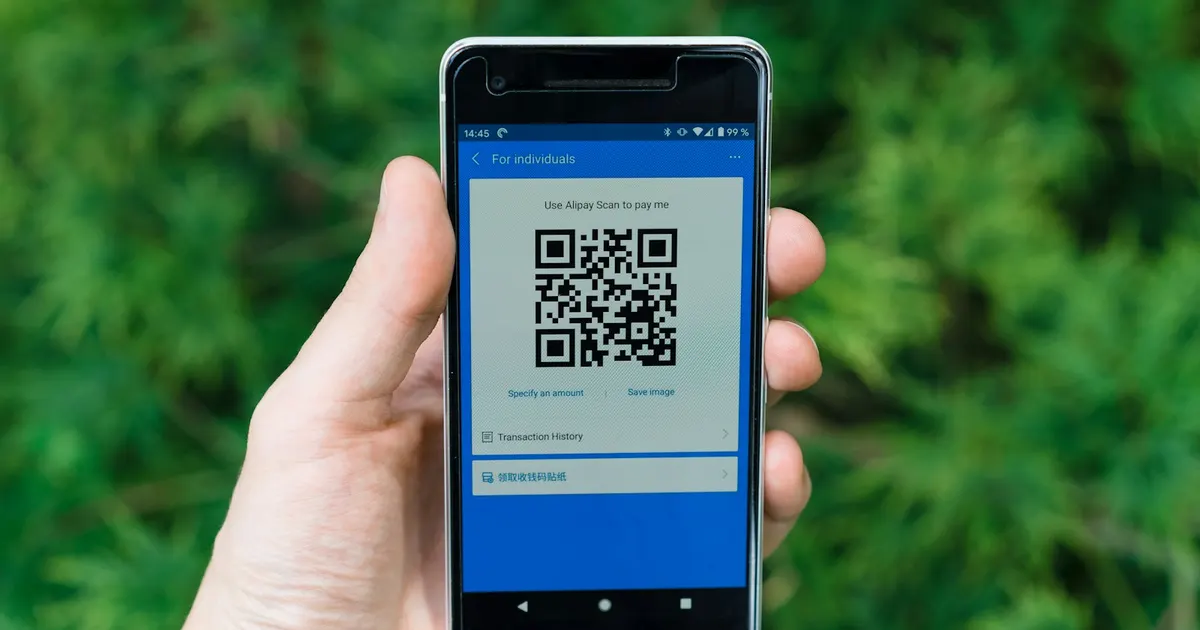
- The government-backed scheme for Raast QR code payments between consumers and merchants will continue, and a campaign will urge people to pay electricity and gas bills by scanning QR codes.
- Raast processed 742.1 million transactions worth Rs23.3 trillion in January to March 2026, including 55.9 million person-to-merchant payments, according to the SBP.
Pakistan wants every payment in the country to go digital. On Friday, 6 November 2026, Prime Minister Shehbaz Sharif ordered officials to draw up a roadmap with deadlines for a 100% digital payments system, and confirmed that cheque payments from government Asaan Assignment Accounts will end on 15 November, moving to the State Bank of Pakistan’s Raast instant payment system. The push matters for shops, online sellers and anyone who pays bills, since the government is also backing Raast QR code payments at merchants.
What happened?
Sharif gave the directive while chairing a meeting in Islamabad on promoting a cashless economy, according to a statement from the Prime Minister’s Office reported by Dawn and Radio Pakistan. He called the cashless economy one of the government’s top priorities and said early results were already visible.
Those present included Finance Minister Muhammad Aurangzeb, Minister of State for Finance Bilal Azhar Kayani, State Bank of Pakistan (SBP) Governor Jameel Ahmad, other federal ministers and provincial chief secretaries, 24NewsHD reported.
The prime minister issued several instructions:
- A roadmap with clear targets and timelines for a fully digital payments system.
- Fix user problems with digital payments immediately.
- Internet access across the country, and easy public access to technology.
- Raast QR scheme: the government-supported programme for consumer-to-merchant payments through Raast QR codes will continue. He described Raast QR payments as “instrumental” to the government’s cashless goal, Dawn reported.
- Utility bills: a media campaign will encourage electricity and gas customers to pay by scanning the QR code printed on their bills.
- All ministries and government bodies must fully implement the cashless economy plan.
What changes on 15 and 16 November?
Cheque-based payments through Asaan Assignment Accounts, which government offices use to make payments, will be discontinued from 15 November 2026. From 16 November, all payments from these accounts nationwide will be processed through Raast, Radio Pakistan reported. Drawing and disbursing officers, the officials who handle government payouts, have already been trained for the switch.
Daily Pakistan stressed that the decision applies only to these designated government accounts. It is not a ban on personal or business cheques.
Key details from the briefing
Officials told the meeting that:
- Digitisation of payments in federal and provincial government institutions is moving quickly, and most institutions should be fully digital by December 2026.
- All Benazir Income Support Programme (BISP) payments are now made through digital wallets.
- A digital payment system for areas without internet access is being developed, alongside work on nationwide internet infrastructure.
The meeting builds on earlier steps. Sharif set up a high-level committee on the cashless economy in June 2025, and in July 2026 he directed that remittances from abroad be fully digitised, Dawn and TechJuice reported.
How big is Raast already?
Raast is growing fast. In January to March 2026 it processed 742.1 million transactions worth Rs23.3 trillion, according to the SBP’s latest quarterly payment systems review. Person-to-person transfers made up 664 million of those, while person-to-merchant payments, the kind used at shops and online checkouts, rose to 55.9 million from 36.3 million in the previous quarter.
Across all retail payments, digital channels accounted for 92% of transactions in that quarter, about 3.4 billion in number, and mobile apps handled 2.9 billion of them, the SBP said. Over-the-counter payments still dominate by value, though: transactions at bank branches were worth Rs99.5 trillion, more than the Rs68 trillion handled through digital channels.
Why it matters for ecommerce and retail
For shops and online sellers, every customer who gets used to Raast QR codes, bank apps and mobile wallets is a customer who can pay up front instead of in cash. A government campaign to normalise QR payments for everyday bills could also make more customers comfortable paying merchants the same way.
If you run a store and want to start accepting digital payments, our guide on how to accept online payments in Pakistan with JazzCash, Easypaisa and payment gateways explains the options.
What happens next?
The first concrete test is the switch of government account payments to Raast on 16 November. The full roadmap, with its targets and deadlines, has been ordered but no publication date was given. Retailers and fintech companies will be watching for details on how long the merchant QR scheme runs, and whether the solution for areas without internet arrives before the December 2026 target for government institutions.
Frequently asked questions
What is Raast?+
Raast is Pakistan's instant payment system, run by the State Bank of Pakistan. It lets people and businesses send money between bank and wallet accounts in real time, and lets shops accept payments through Raast QR codes.
Are cheques being banned in Pakistan?+
No. The change from 15 November 2026 covers only cheque payments from government Asaan Assignment Accounts, which will move to Raast from 16 November. Personal and business cheques are not affected, Daily Pakistan reported.
When will Pakistan's government payments be fully digital?+
Officials told the prime minister on 6 November 2026 that most federal and provincial institutions should fully digitise their payments by December 2026. A wider roadmap with deadlines for a 100% digital payments system has been ordered but not yet published.
Sources
- Dawn – PM seeks roadmap for '100pc' digital payments system, stresses countrywide internet access
- Radio Pakistan – PM directs to ensure nationwide internet access for cashless economy
- 24NewsHD – PM orders roadmap for 100pc digital payments, sets Nov 16 deadline for Raast transactions
- TechJuice – Pakistan to Digitise All Payments Across Pakistan by December 2026
- Daily Pakistan – No more cheque payments after Nov 15 as Pakistan shifts govt transactions to Raast
- State Bank of Pakistan – Quarterly Payment Systems Review, Q3 FY26 (press release)
- Raast
- State Bank of Pakistan
- Pakistan digital payments
- QR code payments
- Cashless economy

PFM Today Newsroom · News Desk
The PFM Today Newsroom tracks developments across startups, AI, design, business and more. Stories are researched from primary sources and reputable outlets, written with AI assistance, and reviewed against our editorial policy before publishing. Read our editorial policy.