Black Friday 2026: Adobe Tracks $82.5B Online Before Thanksgiving
Black Friday 2026 starts after US shoppers spent $82.5 billion online from November 1 to 22, up 9.1%, Adobe says, with AI-referred retail traffic up 127%.

Key points
- US consumers spent more than $82.5 billion online between November 1 and 22, 2026, up 9.1% from a year earlier, according to Adobe Analytics data reported on November 25.
- Adobe forecasts $12.9 billion in US online spending on Black Friday 2026, up 9.2%, and $15.1 billion on Cyber Monday, up 6.2%.
- Adobe expects the five days from Thanksgiving to Cyber Monday to bring in $47.5 billion online, up 7.4%, or 17.3% of its $275.1 billion season forecast.
- Traffic to US retail sites from AI chat and browser tools was up 127% year on year so far this season, and Adobe expects a 95% rise on Black Friday.
- Buy now, pay later spending reached $6.1 billion between November 1 and 22, up 6.5% year on year.
US shoppers went into Black Friday 2026 having already spent more than $82.5 billion online in November, according to Adobe Analytics data reported on November 25. Spending from November 1 to 22 was up 9.1% on the same period last year, and Adobe expects $12.9 billion more to be spent online today. Adobe also says shopping trips that start in AI chatbots are growing far faster than overall sales.
What happened?
Adobe’s numbers come from tracking about 1 trillion visits to US retail websites. Digital Commerce 360 reported them on November 25. They show:
- $82.5 billion+ spent online in the US from November 1 to 22, 2026, up 9.1% year on year
- More than $3 billion spent on every one of those 22 days; in 2025, 21 of the 22 comparable days passed that mark
- Two days above $4 billion. Adobe’s analysts said this is the first time that has happened in the weeks before Thanksgiving and Black Friday.
- $6.1 billion in buy now, pay later (BNPL) purchases, up 6.5%
That pace is ahead of Adobe’s own forecast for the full season. In September, Adobe predicted US online sales of $275.1 billion for November 1 to December 31, up 6.7%, which would be a record.
How much will shoppers spend on Black Friday and Cyber Monday?
Adobe’s forecasts for the peak days are:
| Day | Forecast US online spend | Change vs 2025 |
|---|---|---|
| Thanksgiving (Nov 26) | $6.9 billion | +8.5% |
| Black Friday (Nov 27) | $12.9 billion | +9.2% |
| Cyber Monday (Nov 30) | $15.1 billion | +6.2% |
| Thanksgiving to Cyber Monday (5 days) | $47.5 billion | +7.4% |
Adobe expects Cyber Monday to stay the biggest online shopping day of the season and of the year, although Black Friday is growing faster. The five-day stretch would account for 17.3% of the season’s spending.
Adobe’s September forecast also said discounts would reach up to 30% during Cyber Week. It expects mobile devices to account for 57.4% of online spending over the full season, up from 56.4% in 2025.
Why AI shopping traffic matters
The fastest-growing number in Adobe’s data is not sales but where shoppers come from. Visits to US retail sites referred by AI chat and AI browser tools were up 127% year on year so far this season. Adobe forecasts AI-referred traffic growth of:
- 159% on Thanksgiving
- 95% on Black Friday
- 88% on Cyber Monday
- 110% across the five days from Thanksgiving to Cyber Monday
In an Adobe survey of 1,000 US consumers, 81% said AI had improved their online shopping experience. Another 27% said they use AI more often during sales events and holidays.
Salesforce, which tracks global data, expects $357 billion in online sales worldwide during Cyber Week from November 24 to 30. It says $75.8 billion of that will be influenced by AI tools, including AI agents. Salesforce also reported that AI-driven traffic to retailer websites is up 104% year on year.
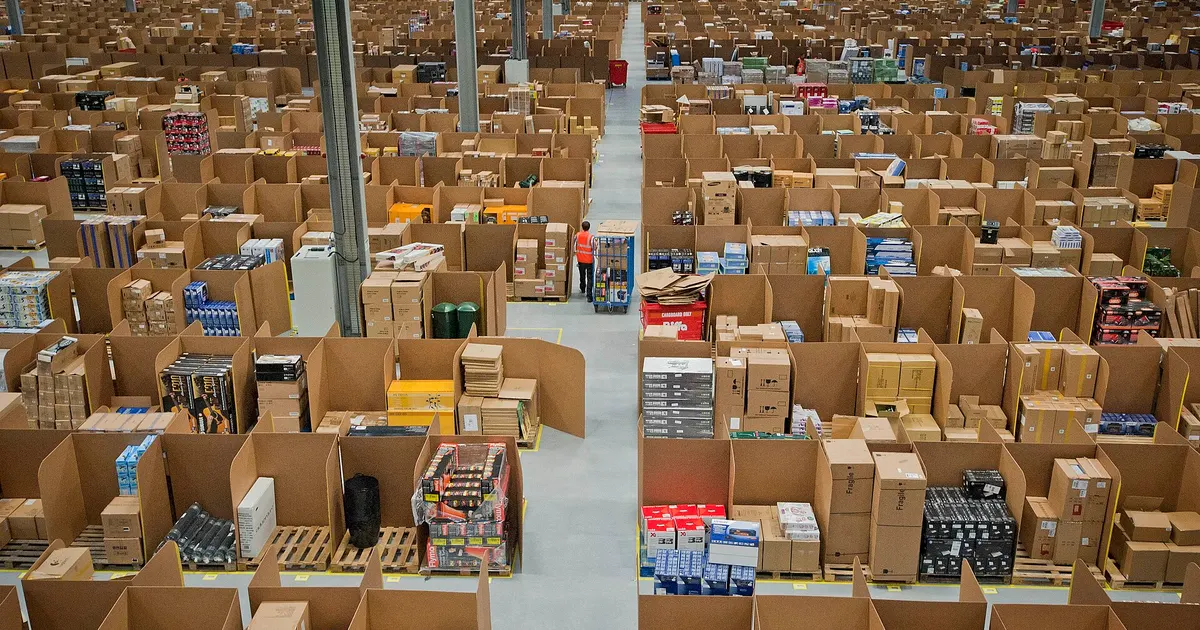
This shift affects retailers everywhere. Amazon has already built Black Friday week around its AI shopping assistant. China’s Singles Day this month also leaned heavily on AI tools.
Why it matters
US online spending is a key early read on how consumers feel going into the end of the year. Growth of more than 9% in early November shows shoppers are spending online at a faster pace than Adobe predicted for the season as a whole. Every day of the month so far has topped $3 billion.
The AI numbers matter for brands and for smaller sellers outside the US. If more shoppers ask a chatbot what to buy instead of searching or scrolling social media, product pages need to be easy for AI tools to read and recommend.
What happens next?
Adobe’s next updates will show whether Black Friday reaches the $12.9 billion forecast and whether Cyber Monday’s lead holds. Adobe published its final 2025 season results in early January 2026, so the full 2026 picture is likely to come at a similar time.
Frequently asked questions
How much will Americans spend online on Black Friday 2026?+
Adobe forecasts $12.9 billion in US online spending on Black Friday, November 27, 2026, up 9.2% from 2025. It expects Cyber Monday on November 30 to be bigger, at $15.1 billion.
How much have shoppers spent online this holiday season so far?+
Adobe says US consumers spent more than $82.5 billion online from November 1 to 22, 2026, a 9.1% increase on the same period last year. Every one of those 22 days topped $3 billion.
How is AI changing Black Friday shopping?+
Adobe says visits to US retail sites referred by AI chat and browser tools rose 127% year on year so far this season. It forecasts AI-referred traffic will rise 159% on Thanksgiving and 95% on Black Friday.
Sources
- Adobe
- Black Friday
- Cyber Monday
- Online shopping
- AI shopping

PFM Today Newsroom · News Desk
The PFM Today Newsroom tracks developments across startups, AI, design, business and more. Stories are researched from primary sources and reputable outlets, written with AI assistance, and reviewed against our editorial policy before publishing. Read our editorial policy.