
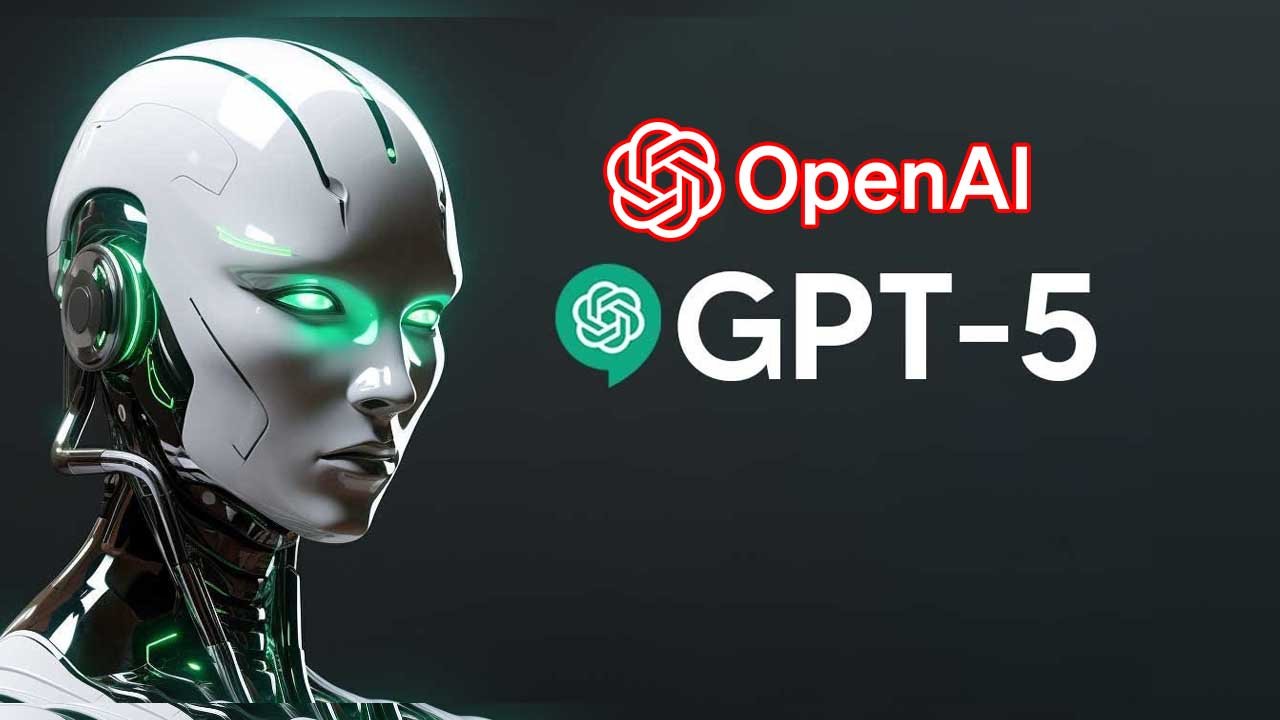
The artificial intelligence landscape is on the cusp of another monumental shift. OpenAI has officially announced GPT-5, a breakthrough model poised to redefine AI capabilities. The OpenAI GPT-5 represents a unified platform, seamlessly merging advancements from various specialized AI systems. It promises human-like logical reasoning for complex tasks like contract analysis and scientific research. This highly anticipated launch, expected in July-August 2025, is set to usher in an unprecedented era of AI functionality, impacting industries worldwide.
Understanding the Breakthrough of OpenAI GPT-5
The OpenAI GPT-5 stands out as a “multi-model” AI, an omni-capable system that transcends previous limitations. Unlike its predecessors, which might excel in text or image generation separately, GPT-5 integrates diverse capabilities into one cohesive unit. It combines advanced understanding of text, code generation, and complex reasoning. This allows it to tackle intricate problems with a level of logic previously thought impossible for AI. Its ability to process massive context windows, extending to over 256,000 tokens, means it can understand and synthesize incredibly large documents or lengthy conversations with remarkable coherence.
Furthermore, GPT-5 is set to integrate real-time web Browse. This enhances its knowledge base with the freshest information. It also supports advanced multimodal outputs, including the sophisticated generation of 3D objects. This fusion of capabilities positions GPT-5 as a truly versatile and powerful tool, far surpassing the analytical and creative reach of earlier models.
The Controversial Rise of AI Monoculture
While the capabilities of OpenAI GPT-5 are undeniably groundbreaking, its potential impact isn’t without controversy. Critics are raising alarms about the risk of “AI monoculture.” This refers to a scenario where a single, dominant AI model could control a vast percentage of enterprise AI workflows. Some reports suggest GPT-5 could eventually dominate 80% of such operations. This dominance could lead to a lack of diversity in AI-generated content and solutions. It might also introduce systemic vulnerabilities if one core system faces issues.
The debate centers on whether such widespread reliance on a single AI platform stifles innovation elsewhere. It also questions if it reduces the unique voices and approaches that diverse AI models could offer. This concern about AI monoculture is a crucial part of the ongoing conversation. It forces a discussion about responsible AI development and deployment.
Enterprise AI: GPT-5’s Unprecedented Impact
The corporate world is eagerly anticipating the OpenAI GPT-5 launch. Major players like Microsoft, Salesforce, and Accenture are already testing its capabilities. They plan to integrate it into their core operations. GPT-5 promises to revolutionize various sectors. It will enable more autonomous customer service agents. It will also streamline complex data analysis. Its advanced reasoning allows for highly intelligent automation. This can transform tasks from legal review to scientific research.
The transition towards such advanced Enterprise AI signifies a new era of automation. Businesses expect unparalleled efficiencies, personalized customer interactions, and faster decision-making processes. The demand for GPT-5 is so immense that anticipation for waitlist signups has reportedly strained OpenAI’s servers, underscoring the massive market interest in this powerful new tool. Companies are betting on GPT-5 to gain a significant competitive edge.
The Future of AI: Beyond GPT-5
The launch of OpenAI GPT-5 is more than just a new product; it’s a pivotal moment for the future of artificial intelligence. It pushes the boundaries of what AI can achieve. It also intensifies the competition among leading AI developers. This includes Google’s Gemini models, which are also rapidly advancing in multimodal capabilities. The race to develop more intelligent and versatile AI continues.
The key challenge remains balancing innovation with responsible deployment. Addressing concerns about AI monoculture, bias, and ethical use will be paramount. As GPT-5 becomes more accessible, it will redefine human-AI collaboration. It will empower individuals and transform industries, driving productivity and unlocking new possibilities for innovation across the globe.
For more news and updates, please visit PFM Today.