NASA ESCAPADE Flyby: Twin Probes Slingshot Past Earth Toward Mars
NASA's twin ESCAPADE spacecraft fly past Earth on November 7 and 9, 2026, firing engines in a first-ever powered flyby that sends them on to Mars.

Key points
- NASA's first ESCAPADE spacecraft makes its closest approach to Earth and fires its engine around 5 a.m. EST on November 7, 2026.
- The second spacecraft follows with its flyby and engine burn around 6 a.m. EST on November 9, 2026.
- Each roughly 9-minute burn adds more than 1,000 mph, raising the spacecraft's speed from about 6.3 to 6.7 miles per second.
- NASA says no Mars-bound spacecraft has completed a powered Earth flyby, also called an Oberth maneuver, before.
- The twin spacecraft are due to reach Mars on September 7 and 9, 2027.
NASA’s twin ESCAPADE spacecraft are swinging past Earth this weekend and firing their engines at the closest point, a manoeuvre no Mars-bound spacecraft has completed before. The first probe makes its pass around 5 a.m. EST on November 7, 2026, and the second follows around 6 a.m. EST on November 9. If both burns go to plan, the pair will be on a 10-month cruise to Mars, where they will study how the solar wind strips away the planet’s atmosphere.
What is happening this weekend?
Each ESCAPADE (Escape and Plasma Acceleration and Dynamics Explorers) spacecraft will perform what NASA calls a “powered” Earth flyby. Instead of relying on gravity alone, each one fires its engine at closest approach, combining Earth’s pull with the thrust of the burn.
According to NASA’s mission blog:
- Spacecraft 1: burn starts at 4:51 a.m. EST on Saturday, November 7, with closest approach around 5 a.m.
- Spacecraft 2: burn starts at 5:51 a.m. EST on Monday, November 9, with closest approach around 6 a.m.
- Burn length: about nine minutes each, a manoeuvre known as trans-Mars injection.
- Speed gain: more than 1,000 mph, taking each spacecraft from about 6.3 to about 6.7 miles per second, roughly Mach 30 to Mach 31.
- Altitude: 600 to 1,100 miles above Earth at closest approach, higher than most satellites.
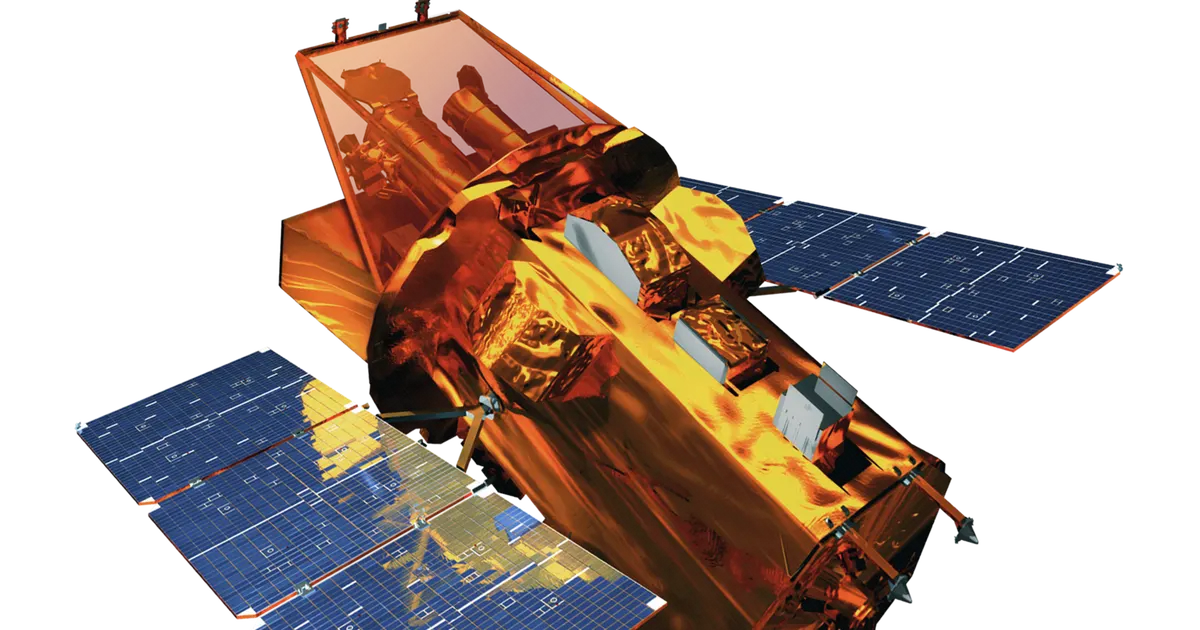
Each spacecraft is about the size of a standard refrigerator.
Why is this flyby a first?
NASA says no Mars-bound spacecraft has successfully executed a powered flyby, also known as an Oberth manoeuvre. Firing an engine deep in a planet’s gravity well gives a bigger boost than the same burn made further out, which saves fuel.
The unusual route exists because of when ESCAPADE launched. Mars missions normally launch when Earth and Mars line up, which happens about every 26 months. ESCAPADE instead lifted off in November 2025 on Blue Origin’s New Glenn rocket, when the two planets were on opposite sides of the Sun.
Rather than heading straight to Mars, the spacecraft spent a year looping around the Earth-Sun Lagrange point 2 (L2) in what NASA calls a loiter orbit. That let them wait for the planets to line up and then come back to Earth for this slingshot. Space.com reported that if the engines failed to light, the mission would miss the transfer window and have to wait about two more years.
The approach could change how future Mars missions are planned, because it lets spacecraft launch at almost any time and then wait for the right moment to leave Earth’s neighbourhood.
Can you see ESCAPADE from Earth?
Possibly, with a telescope. NASA says the spacecraft are faint. Observers in southern Australia may be able to watch through telescopes during the burns. In the western United States, each spacecraft is visible until about an hour before its burn. The first is expected to be brightest between midnight and 1 a.m. PST on November 7, and the second between 1 and 2 a.m. PST on November 9. NASA’s JPL Horizons system provides coordinates for anyone trying to track them.
What will ESCAPADE do at Mars?
After the flybys, the spacecraft are due to arrive at Mars on September 7, 2027 and September 9, 2027. ESCAPADE will be the first mission to fly multiple spacecraft in formation around Mars.
The two probes will study how the solar wind, the stream of charged particles from the Sun, interacts with the Martian environment and drives atmospheric loss. That process is a big part of how Mars changed from a warmer, wetter world into the cold desert it is today. Having two spacecraft means scientists can measure cause and effect at the same time from different points.
During the loiter phase, the pair also flew through a distant part of Earth’s magnetotail, a region no spacecraft had directly explored before. NASA says scientists plan to share those findings later.
Why it matters
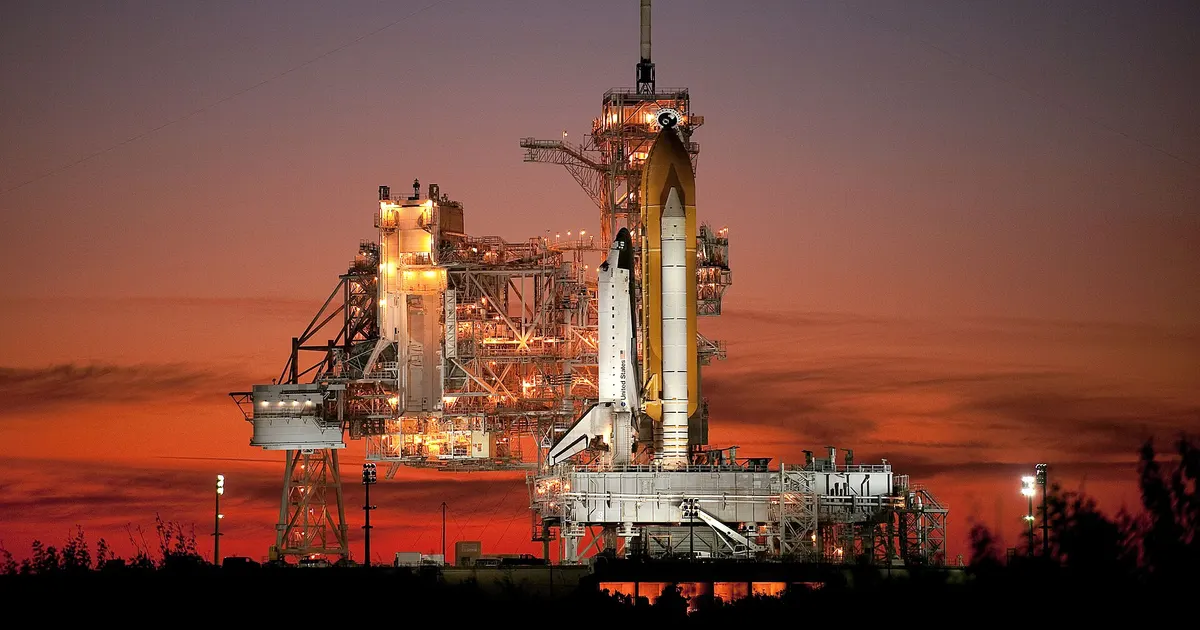
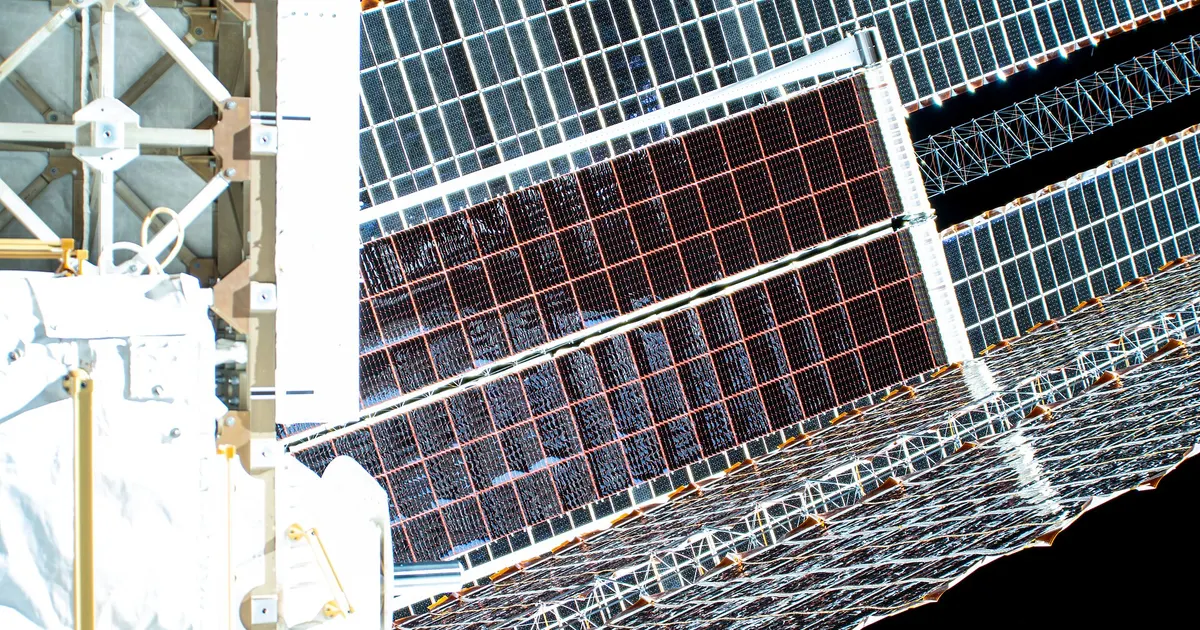
ESCAPADE’s flexible launch approach could make Mars missions easier to schedule, because they would no longer be tied so tightly to the 26-month planetary alignment. A successful double flyby would also prove a technique that future robotic and human missions could use. The mission is part of a busy stretch for NASA, which also held its MAX POWER aerospace expo this weekend, as we covered in our MAX POWER preview, and recently completed a major upgrade to the space station, covered in our IROSA spacewalk story.
What happens next
NASA plans several trajectory correction manoeuvres during the 10-month cruise to keep both spacecraft on course. PFM Today will update readers once NASA confirms whether the November 7 and 9 burns were successful.
Frequently asked questions
When does ESCAPADE fly past Earth?+
The first ESCAPADE spacecraft fires its engine at closest approach around 5 a.m. EST on Saturday, November 7, 2026. The second does the same around 6 a.m. EST on Monday, November 9, 2026.
What is a powered flyby or Oberth maneuver?+
It is a flyby where a spacecraft fires its engine at its closest point to a planet, combining the planet's gravity with the burn to gain more speed. NASA says no Mars-bound spacecraft has done one before.
When will ESCAPADE arrive at Mars?+
After a 10-month cruise, the first spacecraft is due at Mars on September 7, 2027 and the second on September 9, 2027. They will then study how the solar wind strips away the Martian atmosphere.
Sources
- NASA Science – NASA's Twin ESCAPADE Spacecraft to Slingshot Past Earth on Way to Mars
- Space.com – Live long and loiter: Why NASA's ESCAPADE probes will wait a year in space
- NASA – NASA, Blue Origin Launch Two Spacecraft to Study Mars, Solar Wind
- Mars Daily – Second ESCAPADE spacecraft completes key trajectory fix on path to Mars
- NASA
- ESCAPADE
- Mars
- Gravity assist
- Solar wind

PFM Today Newsroom · News Desk
The PFM Today Newsroom tracks developments across startups, AI, design, business and more. Stories are researched from primary sources and reputable outlets, written with AI assistance, and reviewed against our editorial policy before publishing. Read our editorial policy.