

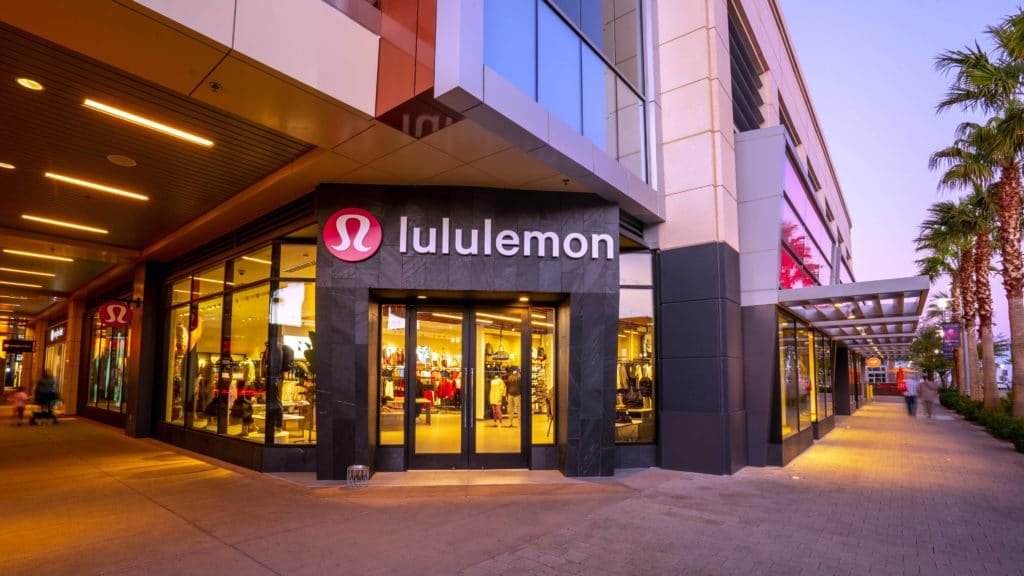
The stock market can be unforgiving. On a single day in early September, Lululemon’s shares plummeted. This sharp decline, which reached nearly 20%, wiped out a significant portion of the company’s market value. The cause? The athletic apparel giant cut its 2025 earnings outlook. It blamed two major factors: sluggish sales and a substantial $240 million hit from rising tariffs. The Lululemon stock drop is, therefore, a crucial wake-up call for investors and consumers. It is a powerful example of how global trade policies can directly impact a company’s bottom line and the broader retail landscape.
The Causes of the Lululemon Stock Drop
While tariffs are a key issue, they are not the only reason for the plunge. The company also reported weaker-than-expected sales in its core U.S. market. Same-store sales increased by just 1%, a clear sign of slowing demand. During the earnings call, CEO Calvin McDonald admitted that some of the brand’s popular categories had become “too predictable.” This suggests that a lack of new, compelling product designs may have contributed to a decline in consumer interest. The combination of external pressures, like tariffs, and internal challenges, like stale product lines, created a perfect storm for the company.
A $240 Million Tariff Hit
Lululemon’s financial forecast cut came directly from its Chief Financial Officer, Meghan Frank. She cited “industry-wide challenges, including higher tariff rates.” The company specified that new tariffs and the removal of the de minimis exemption would reduce its gross profit by approximately $240 million. This exemption previously allowed packages valued under $800 to enter the U.S. without tariffs. Its removal means many imported goods now face a significant increase in cost. For a company like Lululemon, which relies on a global supply chain, these costs add up quickly. Ultimately, they squeeze profit margins and can lead to higher prices for consumers.
The Lululemon Stock Drop and the Broader Market
The Lululemon stock drop is part of a larger, unsettling trend for the retail industry. Many other companies are grappling with the same pressures. Analysts note that new tariff policies and a shift in consumer spending habits are creating an increasingly challenging environment. Consumers are becoming more cautious with discretionary purchases. At the same time, retailers are struggling to absorb higher costs without alienating their customer base. This delicate balance, or “tariff tightrope,” is forcing companies to re-evaluate their supply chains, pricing strategies, and product innovation to remain competitive.
What the Lululemon Stock Drop Means for the Future
The fallout from the Lululemon news serves as a stark warning. It suggests that a company’s success is not just about brand loyalty and quality products. It also depends on navigating the complexities of global trade and responding to changing consumer behaviors. Retailers must now consider their exposure to international tariffs and develop strategies to mitigate these risks. For investors, the Lululemon stock drop highlights the importance of looking beyond quarterly earnings and examining the underlying macroeconomic forces. The retail industry is now in a new phase of uncertainty, and only the most agile companies will thrive.
For more news and updates, please visit PFM Today.