Disrupt 2026 Day 1 Recap: Rivian, Cerebras, Fusion and Agentic AI
Disrupt 2026 opened October 13 with Rivian's RJ Scaringe, Cerebras CEO Andrew Feldman, fusion founders and agentic AI panels. Here is what was on stage.
Key points
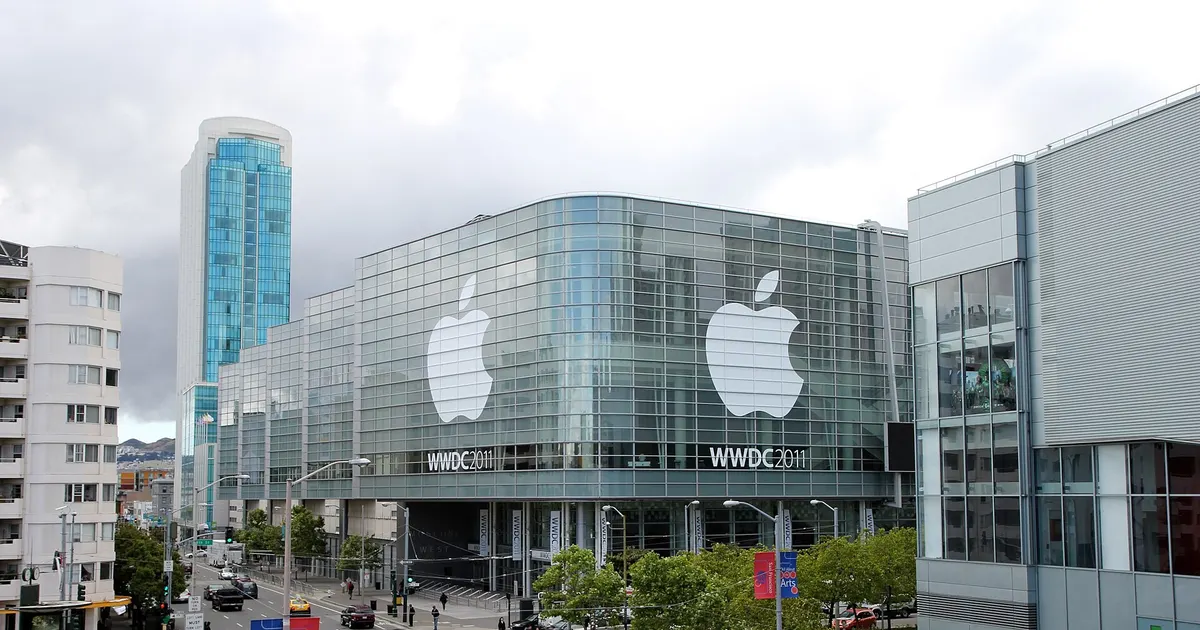
- TechCrunch Disrupt 2026 opened on October 13 at Moscone West in San Francisco, with more than 10,000 attendees, 250-plus speakers and 300-plus exhibiting startups expected.
- Day 1 Disrupt Stage headliners were Rivian CEO RJ Scaringe, Cerebras Systems CEO Andrew Feldman and Science Corporation founder Max Hodak.
- The first Startup Battlefield sessions covered space and physical AI, and energy and manufacturing.
- Helion's David Kirtley and Commonwealth Fusion Systems' Brandon Sorbom shared a panel on bringing fusion power to the grid.
- Builders Stage sessions tackled agentic AI for hardware founders, competing for AI talent and hiring when AI acts as a co-founder.
TechCrunch Disrupt 2026 opened on Tuesday, October 13, at Moscone West in San Francisco, with Rivian CEO RJ Scaringe, Cerebras Systems CEO Andrew Feldman and Science Corporation founder Max Hodak headlining the main stage. The first day also launched the Startup Battlefield competition and packed the side stages with sessions on agentic AI, fintech and the power grid. TechCrunch expected more than 10,000 attendees across the three-day event.
How big was Disrupt 2026?
According to TechCrunch’s Day 1 programme, Disrupt 2026 featured more than 250 speakers, more than 200 sessions, more than 300 exhibiting startups and six industry stages. The expo hall and a Deal Flow Café for founders and investors opened on the first morning, and attendee badges used Klik networking technology.
Who headlined the Disrupt Stage?
The main Disrupt Stage on Day 1 mixed big-company founders with deep-tech bets:
- RJ Scaringe, founder and CEO of Rivian, in a session titled “Building the Impossible”
- Andrew Feldman, co-founder and CEO of AI chipmaker Cerebras Systems, on the question “Can AI Keep Scaling?”
- Max Hodak, founder of Science Corporation, in “Beyond Screens”
Between those sessions, the stage hosted the first two rounds of the Startup Battlefield. Day 1 covered the space and physical AI track, judged by investors including Anu Bharadwaj of Iconiq and Aatish Nayak of Kleiner Perkins, and the energy and manufacturing track, with judges from Bison Ventures, Felicis, General Catalyst and Precedent.vc. The Top 20 companies were competing for $100,000 in equity-free funding and the Disrupt Cup.
What was on the Builders Stage?
The Builders Stage focused on practical lessons for founders, with a strong AI thread:
- “What Happens When OpenAI Ships Your Roadmap” brought together Rob Toews of Radical Ventures, Linda Tong of Webflow and Michel Tricot of Airbyte.
- “The Rise of Agentic AI: Lessons for Hardware Founders” featured Qualcomm’s Ziad Asghar.
- “Competing for AI Talent” and “Hiring When AI Is a Co-founder” looked at how teams are changing, with speakers from Redpoint, Runware, Insight, Leland and Gusto.
- “From MVP to Billions of Users” featured Google’s Robby Stein.
- “PMF Red Flags” included Superhuman’s Rahul Vohra and Sapphire’s Rajeev Dham.
- “When Machines Clock In,” hosted by NYSE Wired, featured leaders from Gatik, Dexterity AI and Foundation Future Industries.
TechCrunch’s Equity podcast also recorded a live episode on the startup stories shaping 2026.
What about energy and fintech?
The Industry Stage split Day 1 into finance and energy blocks. On the money side, panels covered payments in the “agentic economy” with Circle and TabaPay, trust and verification in financial services with American Express and Plaid, and a session with Robinhood’s Abhishek Fatehpuria on winning modern financial consumers.
The energy block was one of the day’s most notable lineups. Twilio founder Jeff Lawson discussed how he is tackling the power problem, and Helion’s David Kirtley and Commonwealth Fusion Systems’ Brandon Sorbom shared a panel called “Bringing Fusion to the Grid.” Another panel, with Bloom Energy and Ambrosia Energy, examined where the AI infrastructure boom is creating winners.
Why it matters
The Day 1 agenda showed where the startup world’s attention sits in late 2026: AI that acts on its own, the hardware and energy needed to run it, and what that means for hiring and competition. Fusion and grid sessions sharing a programme with AI chip talks underline that power supply has become one of the biggest constraints on AI growth.
What happens next
Disrupt continued on October 14 with Benchmark’s full partnership on the Disrupt Stage, and closed on October 15 with Amazon’s Panos Panay and the Startup Battlefield final. You can read about the companies that made the Top 20 and the eventual winner, Intero Biosystems.
Frequently asked questions
When was TechCrunch Disrupt 2026?+
TechCrunch Disrupt 2026 took place from October 13 to 15, 2026, at Moscone West in San Francisco. TechCrunch said the event would bring together more than 10,000 attendees across six stages.
Who spoke on Day 1 of Disrupt 2026?+
Day 1 headliners on the Disrupt Stage included Rivian founder and CEO RJ Scaringe, Cerebras Systems CEO Andrew Feldman and Science Corporation founder Max Hodak. Other Day 1 speakers came from Google, Qualcomm, Robinhood, Plaid, Helion and Commonwealth Fusion Systems.
What were the Disrupt 2026 Startup Battlefield categories?+
The 2026 Startup Battlefield was split into four tracks: space and physical AI, energy and manufacturing, health tech and life sciences, and enterprise and security. The first two were judged on Day 1.
Sources
- Disrupt 2026
- TechCrunch
- Rivian
- Cerebras
- Fusion energy
- Agentic AI
PFM Today Newsroom · News Desk
The PFM Today Newsroom tracks developments across startups, AI, design, business and more. Stories are researched from primary sources and reputable outlets, written with AI assistance, and reviewed against our editorial policy before publishing. Read our editorial policy.