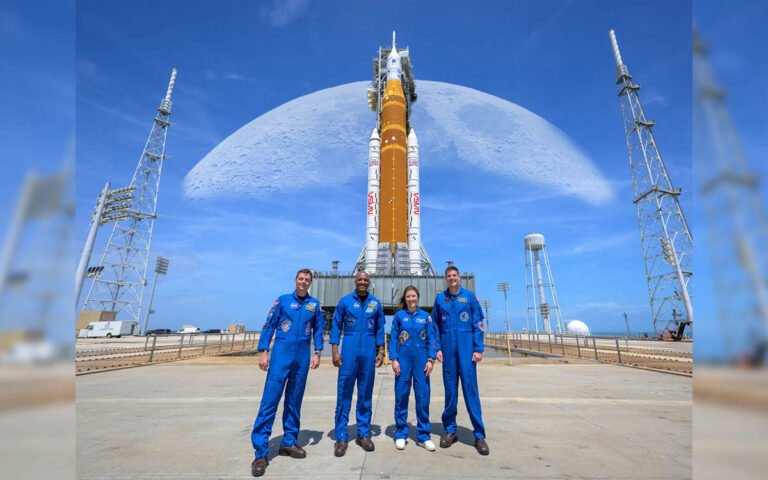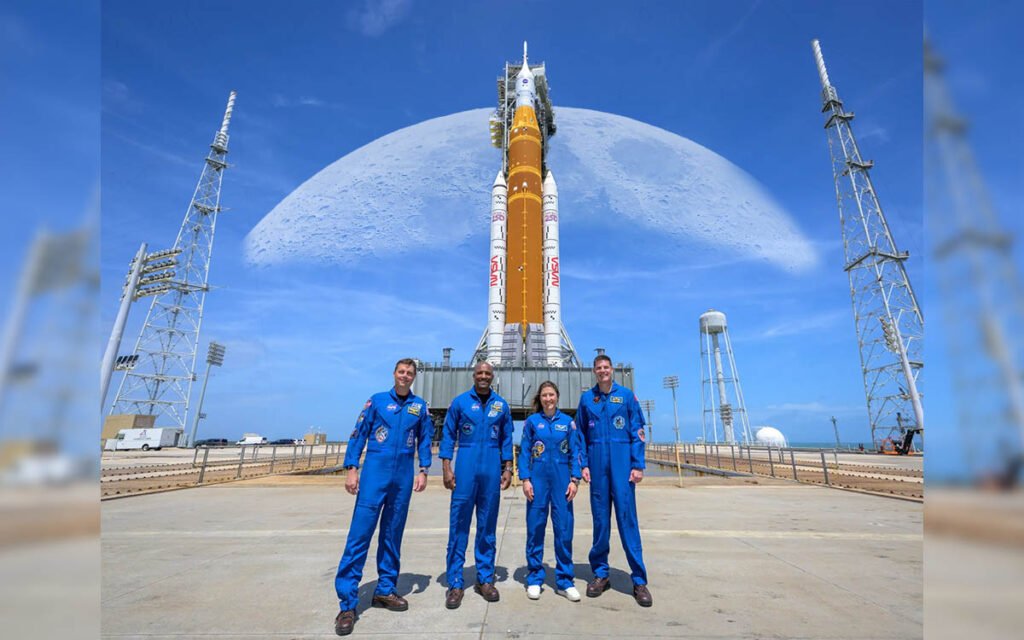

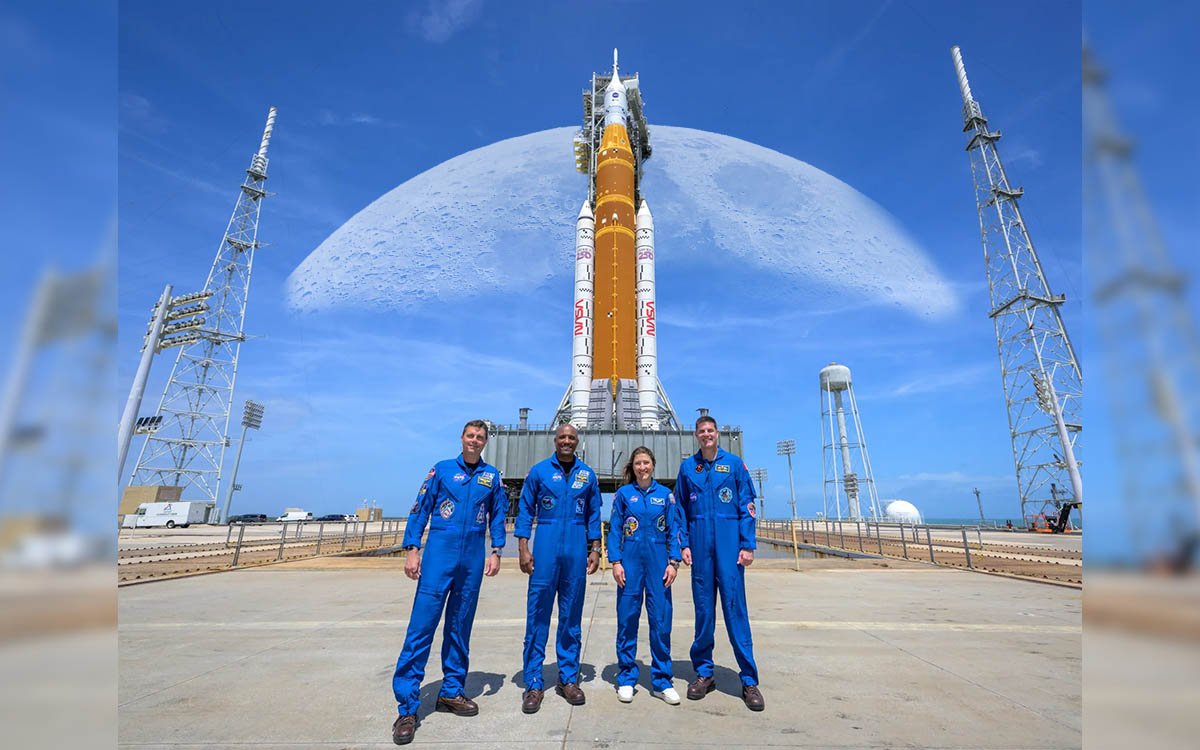
Humanity is finally ready to leave low Earth orbit once again. Today, NASA prepares for a monumental leap as the Artemis II Moon mission prepares for liftoff from Florida’s Kennedy Space Center. This historic flight marks the first time in over fifty years that humans will journey toward our closest celestial neighbor. Since the Apollo 17 mission in 1972, astronauts have remained close to home. However, this 2026 launch changes everything. The world is watching as four brave explorers board the Orion spacecraft, signaling the start of a permanent human presence in deep space.
This mission serves as a critical bridge to the future. It tests the heavy-lift capabilities of the Space Launch System (SLS) rocket and the endurance of the Orion capsule. Moreover, the successful completion of this journey will pave the way for a lunar landing later this decade.
The Significance of the Artemis II Moon mission
The Artemis II Moon mission represents more than just a flight; it is a testament to human ingenuity. For decades, space exploration focused primarily on the International Space Station. While that work remains vital, this mission pushes the boundaries of where humans can survive. Engineers have spent years refining the heat shields and life-support systems required for deep space. Consequently, this flight will provide the data necessary to ensure that future crews can safely land on the lunar south pole.
Notably, this mission will break records for the farthest distance humans have ever traveled from Earth. The crew will fly approximately 252,000 miles away, surpassing the distance reached during the famous Apollo 13 flight. Furthermore, the spacecraft will travel at speeds of 25,000 miles per hour during its return. This high-velocity re-entry will test the limits of modern aerospace technology.
Meet the Crew of the Artemis II Moon mission
Diversity and international cooperation define this modern era of exploration. The crew of the Artemis II Moon mission includes a diverse team of highly skilled professionals. Commander Reid Wiseman leads the mission, bringing years of naval and spaceflight experience. He is joined by Pilot Victor Glover, who will become the first person of color to travel to the Moon. Additionally, Mission Specialist Christina Koch will make history as the first woman to fly a lunar mission.
Rounding out the team is Jeremy Hansen from the Canadian Space Agency. He represents the first non-American to journey beyond low Earth orbit. Together, these four astronauts embody a global commitment to discovery. They spent the last several months in rigorous training, preparing for the manual flight controls and emergency procedures. Their arrival at the launch pad today is the culmination of years of preparation and hope.
Technical Goals of the Artemis II Moon mission
Safety and reliability are the primary focuses of this ten-day flight test. The Artemis II Moon mission will rigorously evaluate the Orion spacecraft’s life-support systems while humans are on board. Initially, the crew will spend the first 24 hours in a high Earth orbit to ensure all systems function perfectly. If everything looks good, they will perform a translunar injection burn to head toward the Moon.
During the lunar flyby, the crew will capture high-resolution images of the lunar surface. These photos will help scientists identify potential landing sites for the upcoming Artemis III mission. Similarly, the astronauts will test manual piloting maneuvers near the spent rocket stage. This demonstration is essential for future missions that will require docking with a lunar gateway or landing craft. Therefore, every hour of this mission is packed with scientific and technical milestones.
Why the World is Watching the 2026 Launch
The excitement surrounding this launch is palpable across the globe. Thousands of spectators have gathered on Florida’s beaches to witness the 322-foot SLS rocket pierce the clouds. This event marks a symbolic return to the ambition of the 1960s but with modern values and technology. Unlike the Apollo era, the Artemis program aims for sustainability. We are not just visiting the Moon; we are learning how to live there.
This 2026 launch serves as a beacon of inspiration for a new generation of scientists and dreamers. It proves that despite economic and political challenges, humanity can still achieve the impossible. Specifically, the collaboration between NASA and international partners shows what we can accomplish through unity. The data gathered during this 10-day trip will influence space policy and engineering for the next fifty years.
Future Steps for Human Spaceflight
The successful splashdown of this mission in the Pacific Ocean will mark only the beginning. Following the Artemis II Moon mission, NASA will focus entirely on Artemis III, which aims to put boots back on the ground. The lessons learned today about radiation protection and communication will directly impact the safety of those future moonwalkers. Eventually, these missions will serve as a stepping stone for the first human journey to Mars.
In conclusion, we are witnessing a turning point in our history. The Artemis II Moon mission is a bold declaration that our future lies among the stars. As the engines ignite and the rocket clears the tower, we take another step toward understanding our place in the universe. We must continue to support these efforts to ensure that the “Green Gold” of the lunar surface remains within our reach. The journey has begun, and the best is yet to come.